
Exercise in Perimenopause: A Physiotherapist’s Guide to Staying Strong
Medically reviewed by Ksenya Kharnam, BPT, Registered Physiotherapist, Clinical Director · Last reviewed September 30, 2026
A patient in her mid-40s told us she was doing the same workout she’d done for fifteen years, and for the first time it wasn’t working, more soreness, slower recovery, no change on the scale despite the effort. That’s a pattern we see constantly in perimenopause. The hormonal shifts are real, and they change how your muscles, bones, and recovery actually respond to exercise. The fix isn’t working harder. It’s working differently.
What’s Changing in Your Body
Perimenopause usually starts in the mid-to-late 40s, sometimes earlier. As estrogen fluctuates and gradually drops, several things shift at once: muscle mass decreases faster than it used to (a process called sarcopenia), bone density starts declining, joints can become more lax and prone to sprains, recovery between hard sessions takes longer, and fat tends to redistribute toward the abdomen.
None of this is something you just have to accept as inevitable. It’s a signal that your routine needs to evolve. Our menopause condition page goes into more detail on what tends to show up during this stage.
Resistance Training Is the Priority
Of everything you could be doing, resistance training matters most during perimenopause. The LIFTMOR trial found brief, supervised heavy resistance training with impact loading was safe for postmenopausal women with low bone mass, and it improved bone density, physical function, and even height.
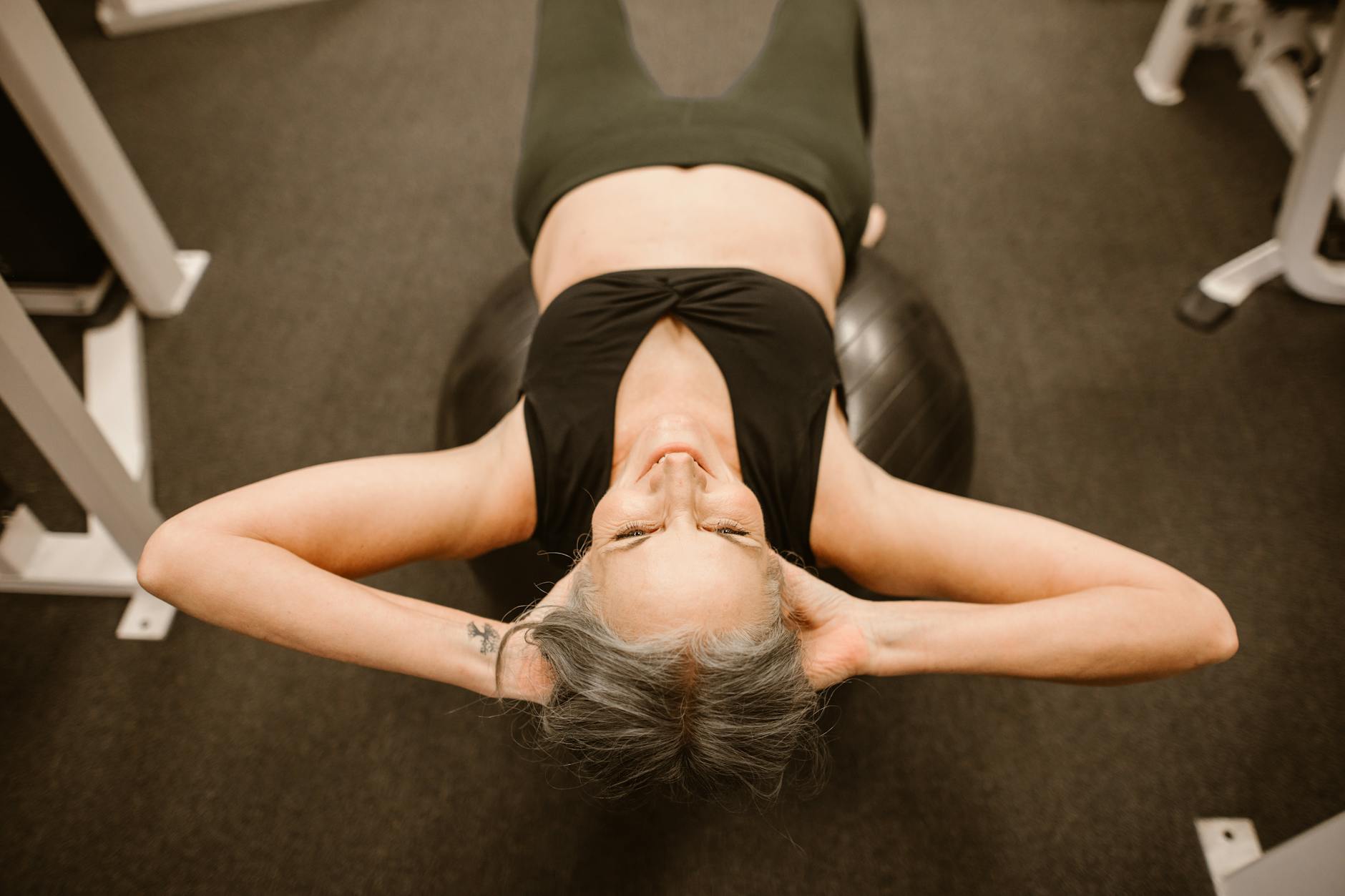
This doesn’t mean becoming a competitive lifter. Dumbbells, resistance bands, bodyweight work like squats and push-ups, gym machines, or a Pilates reformer all count. Two to three sessions a week, hitting legs, hips, back, core, and upper body, is a solid target. Start with a manageable load and build from there.
Bone Health Deserves Its Own Attention
Bone loss speeds up during perimenopause and the years after it, and osteoporosis becomes a genuine concern for women in this stage. Weight-bearing exercise, brisk walking on varied terrain, hiking, dancing, tennis, and resistance training all slow that loss and can even rebuild some density. A 48-week randomized trial in perimenopausal women found tai chi raised bone density in the lower spine and brisk walking raised it at the hip, and the gains held for weeks after the programs ended.
Where a Physiotherapist Actually Helps
A lot of women in perimenopause are already exercising consistently, but the routine no longer fits what their body needs. A physiotherapist can assess movement patterns, spot muscle imbalances or joint issues, and build something tailored to where you actually are hormonally, not a generic program off the internet.
This is particularly relevant if you’re noticing pelvic floor changes affecting bladder control during exercise, new joint pain in the hips or knees, movement mechanics that could lead to injury once you add load, or you’re restarting fitness after a long break, which is extremely common at this stage and worth doing carefully.
Our team at Wellness Place works with women through every stage of this transition. If you want guidance from a professional, our physiotherapy services are a good starting point.
Getting Started, Practically
Two sessions a week is a reasonable beginning if you’re new to this or coming back after time off. Prioritize form over how much weight is on the bar, technique protects your joints and gets you better results faster anyway. Build in rest days, recovery is part of the program, not a failure to push hard enough. Add walking, yoga, or swimming around your strength work for a more complete routine, and pay attention to discomfort that lingers past a day or two, that’s worth a conversation with a physio rather than pushing through it.
Perimenopause doesn’t have to mean slowing down. Done right, this can be the stage where you build the strongest, most resilient body you’ve had yet.