
Acupuncture for Fertility Support: What Women Need to Know
Trying to conceive can turn an ordinary calendar into a spreadsheet of cycle days, appointments and waiting. Many women in Newmarket look for something that might ease the process alongside their fertility clinic or family doctor, and acupuncture is one of the most common things they ask about. Here is what the research actually says, what it does not say, and how a session fits around medical care.
What acupuncture is, in plain terms
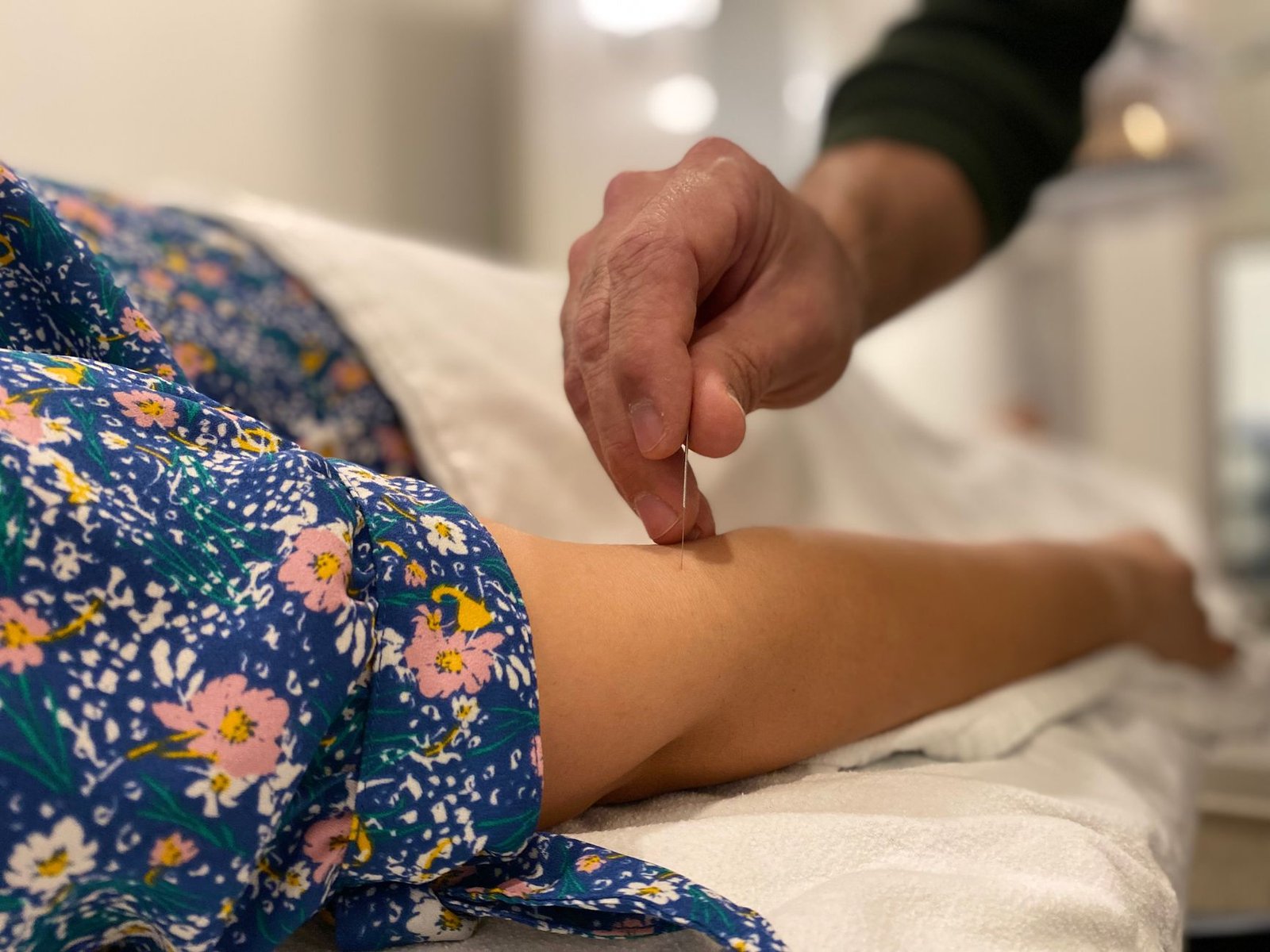
Acupuncture uses very fine, single-use needles placed at specific points on the body. A session usually lasts 30 to 45 minutes. Most people feel a dull ache or a warm heaviness at some points and nothing at others. At Wellness Place, our medical acupuncture care is built around your history, your cycle and whatever else is going on, such as stress, poor sleep or pain.
What studies have looked at
Most fertility research on acupuncture has focused on women having in vitro fertilization (IVF), where eggs are collected, fertilized in a lab and transferred back to the uterus. Results have been mixed, which is worth saying plainly.
A 2019 systematic review and meta-analysis pooled 27 randomized trials with 6,116 participants. Overall, women who received acupuncture had a higher clinical pregnancy rate than those who did not (a relative risk of 1.21). The live birth rate, however, was not significantly different. The picture changed in a subgroup: in trials where at least half of the women had already been through an unsuccessful IVF attempt, both pregnancy and live birth rates looked better with acupuncture. The number of treatments also seemed to matter for pregnancy rates. The authors were careful to point out that many of the included studies were poorly reported or had design flaws, and that larger, better trials are needed. You can read the full paper here: The effects of acupuncture on pregnancy outcomes of in vitro fertilization: a systematic review and meta-analysis.
A second, smaller study looked at poor ovarian response, which means the ovaries produce fewer eggs than expected when stimulated. In this randomized trial, women received 16 acupuncture sessions before IVF or went straight to IVF alone. Acupuncture was linked to more mature eggs retrieved in women older than 37 and in women who had been through more than one stimulation cycle. The authors described it as an exploratory trial, so it points toward an idea worth testing further rather than settling the question. See the study: Acupuncture for Poor Ovarian Response: A Randomized Controlled Trial.
What this means for you
The honest summary is that acupuncture is not a proven fertility treatment, and it should never replace a workup or care from a physician or fertility specialist. The evidence suggests it may be a reasonable add-on for some women, especially those who have had difficult IVF cycles. It also tends to be low risk when done by a trained practitioner.
Where acupuncture may help along the way
Fertility is rarely just about one number on a lab report. Stress, disrupted sleep, painful periods and tense hips or low back muscles are common companions of the process. These are areas where many patients find acupuncture useful for comfort and relaxation, even when the bigger fertility question is still open.
A typical plan might look like this:
- A first visit to review your cycle history, any diagnoses (such as PCOS or endometriosis), medications and where you are in your care with your doctor or clinic.
- Weekly sessions for several weeks, since the research above used courses of treatment rather than a single visit.
- Timing adjusted around key moments such as egg retrieval or embryo transfer, if you are doing IVF.
Safety and communication
Tell your acupuncturist about every medication and fertility drug you take, and tell your fertility clinic that you are getting acupuncture. If there is any chance you are pregnant, say so before treatment, because some points are avoided in early pregnancy. Bruising at a needle site or a little lightheadedness after a session are the most common side effects.
Other supports that work well together
Many couples and individuals find that a team approach feels more manageable. Pelvic floor physiotherapy can address pelvic tension and pain with intercourse, naturopathic care can look at nutrition, thyroid and cycle health, and massage can ease the muscle tension that stress leaves behind. Our page on infertility explains the different ways we support people through this stage of life.
Questions worth asking before you book
A good practitioner will welcome these. How many sessions do you recommend and why? How will you coordinate with my fertility clinic? What will we do if I do not notice a change after a month? What does this cost over the full course? Honest answers on all four tell you a lot about whether the clinic is a good fit.
Your next step
If you are planning to conceive or are already in treatment, bring your questions, your cycle notes and your clinic’s schedule to a first appointment. Book a visit with our acupuncture team at Wellness Place in Newmarket, and we will go through a plan that works with, not around, the rest of your care.