
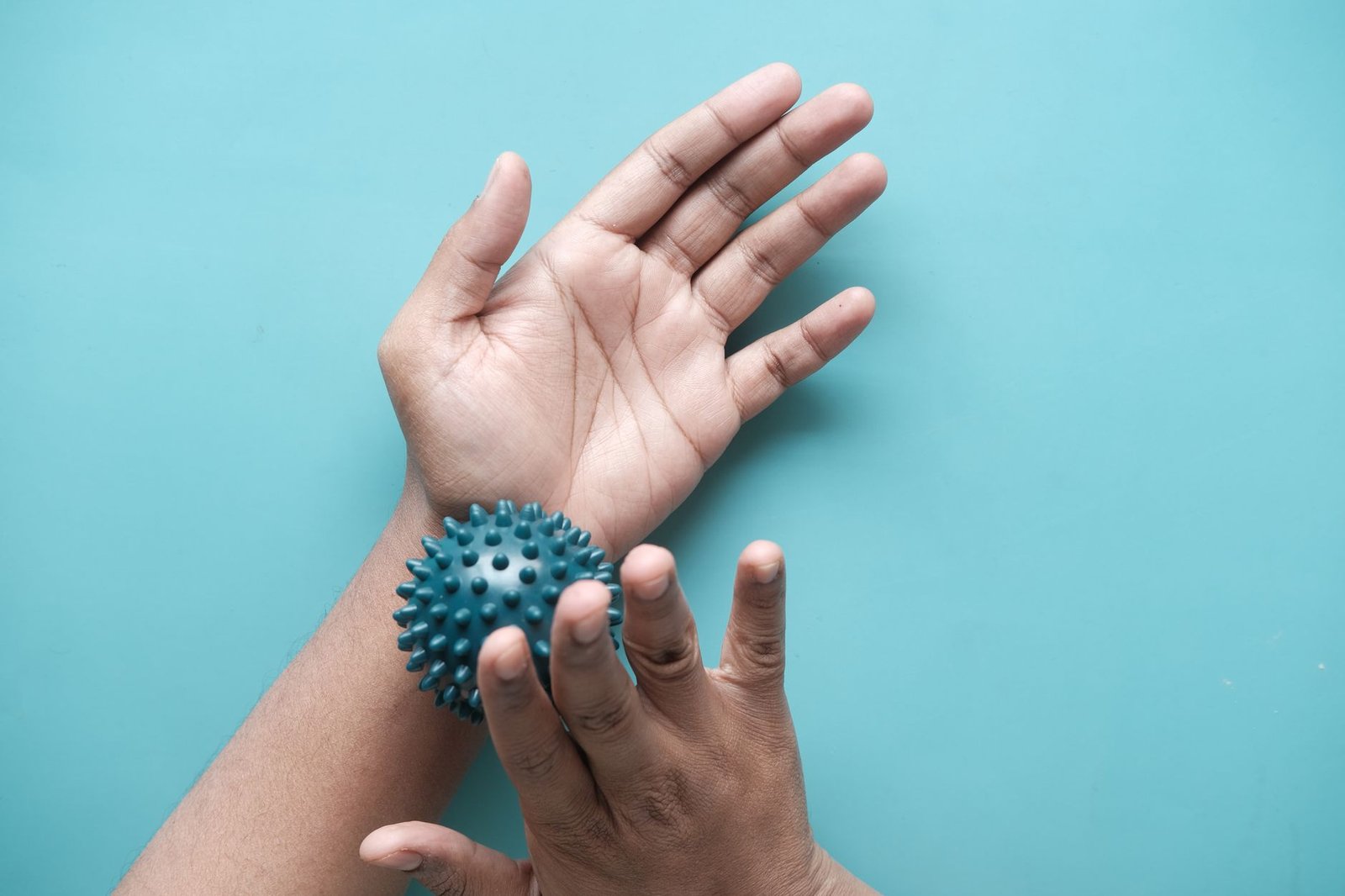
Hand Reflexology: Pressure Points You Can Use at Your Desk
It’s 2:40 on a Tuesday afternoon. Your inbox has 37 unread messages, your shoulders are creeping toward your ears, and a walk outside isn’t happening. You do have your hands, though. Hand reflexology is one of the few calming tools you can use at a desk without anyone noticing.
What Hand Reflexology Is
Reflexology is a hands-on therapy that applies steady, specific pressure to areas of the feet, hands, or ears. Practitioners work from “reflex maps” that link spots on the hands and feet to other parts of the body. Those maps come from tradition rather than lab science, and we think it’s fair to say so plainly.
What researchers can measure is how people feel and how their bodies respond after a session. Slow, firm touch seems to help many people shift out of that wired, on-edge state. Hands are also easy to reach. You don’t need to take off your shoes, lie down, or book a room.
What the Research Says
A 2025 randomized clinical trial compared foot reflexology, hand reflexology, and no reflexology in 105 adults waiting for a colonoscopy. A single 30-minute session of either type lowered anxiety scores compared with the control group. Both reflexology groups also had lower systolic blood pressure and heart rate afterward. Foot reflexology reduced anxiety slightly more than hand reflexology, though the gap between the two wasn’t statistically significant.
A 2023 study of 60 patients having coronary angiography (a heart imaging test) found that hand reflexology reduced anxiety, pain, and fatigue compared with a control group, measured two hours and three days after treatment. This study wasn’t randomized, which makes its results less certain.
Both studies took place in hospitals, with trained staff giving the treatment to people facing a stressful procedure. Neither tested office workers pressing on their own hands. So the honest summary is this: hand reflexology looks promising for short-term anxiety relief, and self-pressure at a desk is a reasonable, low-risk way to borrow some of that calm. It’s a comfort tool, not a cure.
Five Hand Pressure Points to Try at Your Desk
Use your thumb or index finger. Press firmly enough to feel it, never to the point of pain. Breathe slowly through your nose while you hold each spot, and try to make your exhale a little longer than your inhale.
1. The Web Between Thumb and Index Finger
Find the fleshy mound where your thumb and index finger meet. Squeeze it between the thumb and fingers of your other hand and hold for 30 seconds, then switch hands. Many people notice this spot feels tender when they’ve been clenching their jaw or gripping a mouse all day. Skip this point if you’re pregnant, as reflexologists traditionally avoid it during pregnancy.
2. The Centre of the Palm
Press your thumb into the middle of your opposite palm. Make small, slow circles for about a minute. In reflexology, this area is linked to the solar plexus, a spot many practitioners associate with calm breathing.
3. The Fingertips
Pinch the pad of each finger, one at a time, for about five seconds. Work from thumb to pinky, then switch hands. Reflex maps link the fingertips to the head and sinuses, and plenty of people find this helpful near the end of a long screen session.
4. The Base of the Thumb
Slide your thumb along the thick pad at the base of your opposite thumb, from the wrist toward the knuckle. Repeat five or six times. Typing and phone use load this area heavily, so it often feels tight.
5. The Inner Wrist Crease
Rest your thumb in the crease of your opposite wrist, roughly in line with your little finger. Press gently and hold for 20 to 30 seconds while you breathe. Keep the pressure light here, since nerves and tendons sit close to the surface.
Making It a Habit
The full routine takes about four minutes. Some people tie it to something they already do, like waiting for a video call to start or the kettle to boil. Others set a quiet reminder for mid-afternoon, when focus usually dips.
Stop if any point causes sharp pain, numbness, or tingling. Those can be signs of a nerve or joint problem that needs a proper assessment. Talk to your doctor first if you have a blood clotting disorder, a recent hand injury, or swelling in your hands.
When a Professional Session Helps
Self-pressure is a handy quick fix. A full session with a trained reflexologist goes further. It lasts longer, covers points that are hard to reach on yourself, and gives you an hour where you don’t have to do anything at all. If stress has been building for weeks, or it’s showing up as poor sleep, headaches, or a tight neck, our page on stress and how we treat it explains the options at our Newmarket clinic. You can also read what the research shows about reflexology for stress relief.
Ready for a longer reset? Book a session with our reflexology team in Newmarket, and ask your practitioner to include hand work so you can learn which points suit you best.