Migraines: A Complete Guide to Understanding and Managing This Neurological Condition
What Is a Migraine?
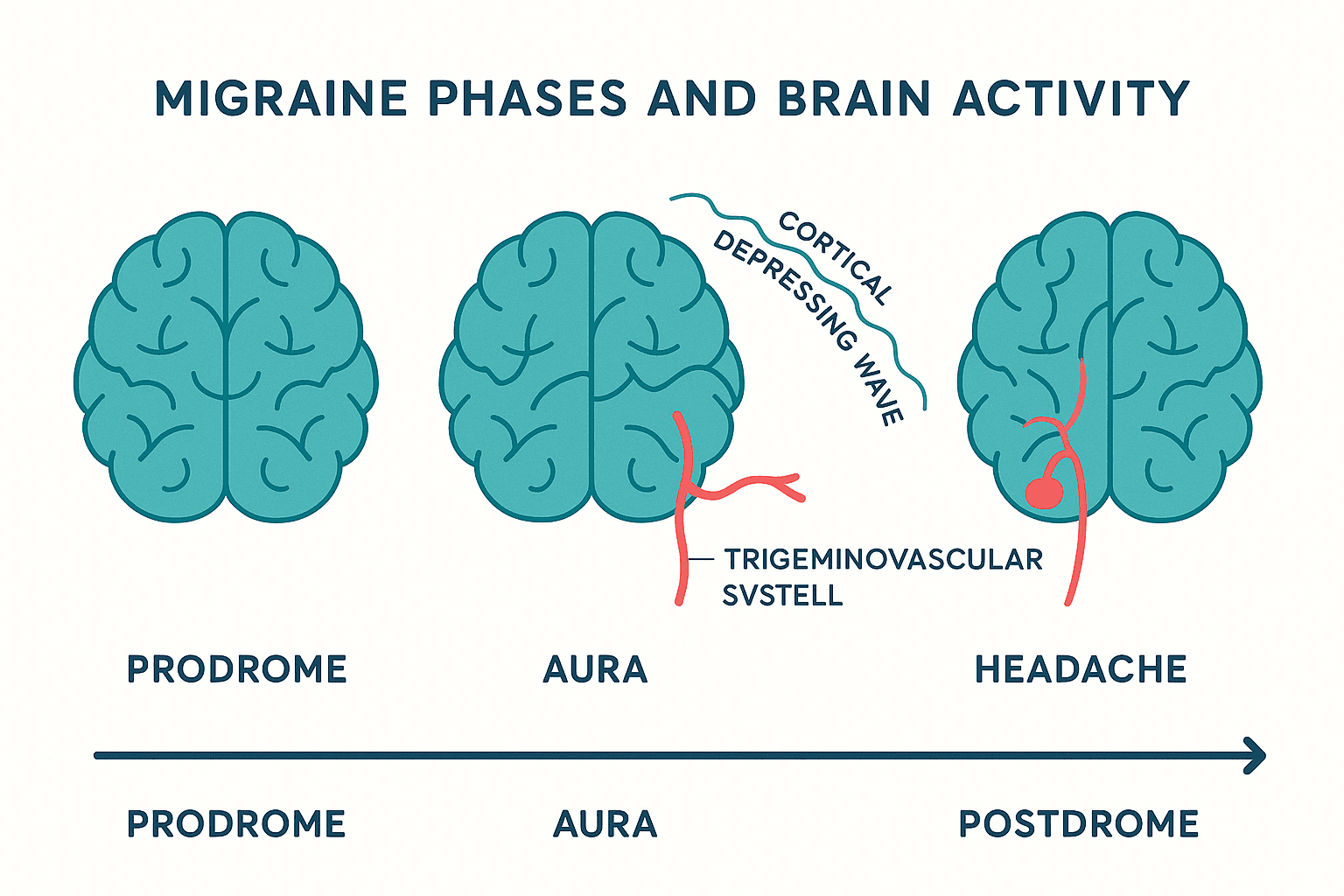
Migraine is a neurological disorder characterized by recurrent attacks of head pain along with a distinctive set of accompanying symptoms. It involves dysregulation of the trigeminovascular system — the network of nerve fibres and blood vessels in and around the brain — producing a cascade of neurological events.
A full migraine attack progresses through up to four phases:
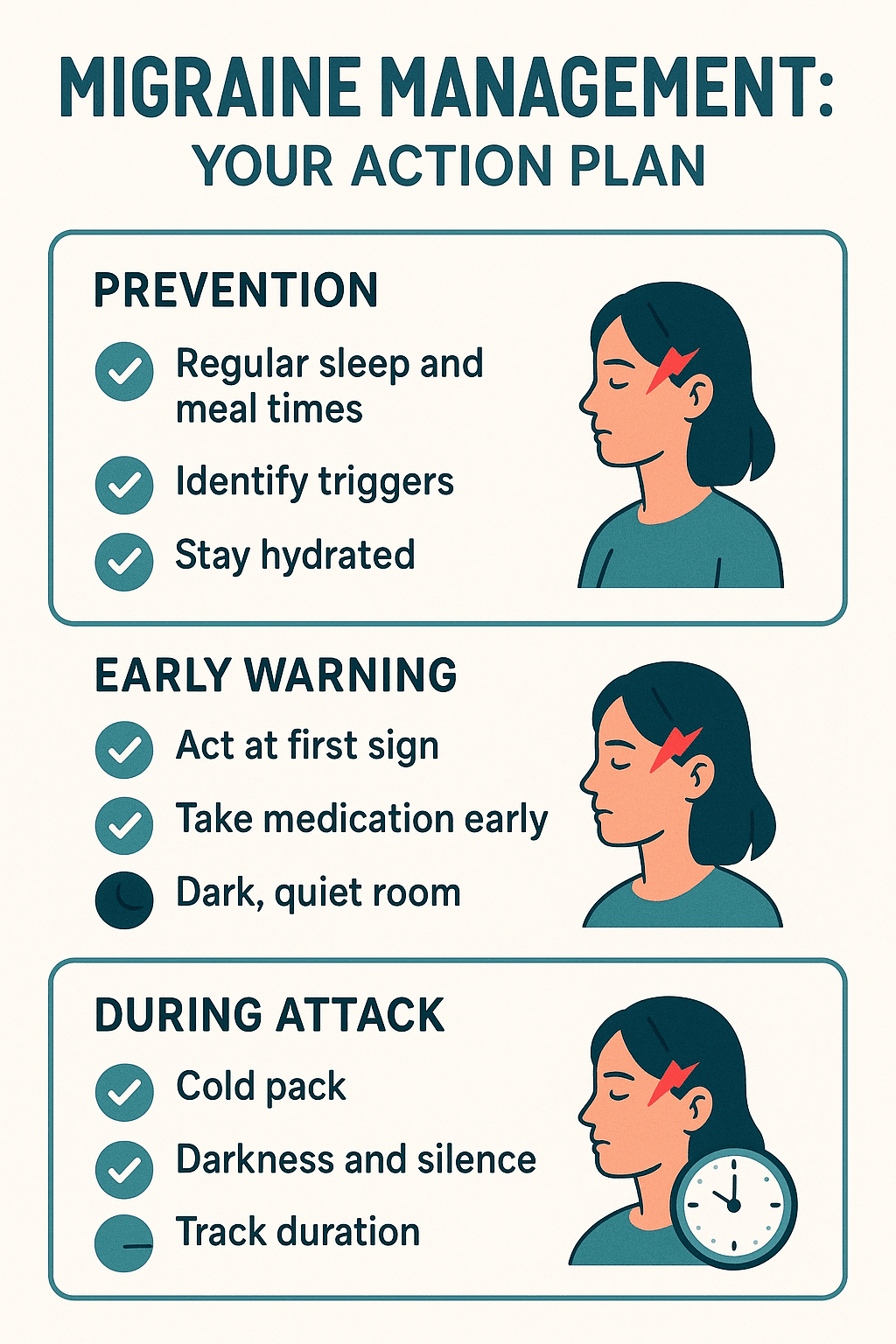
1. Prodrome (hours to days before): Subtle warning signs — fatigue, mood changes, food cravings, neck stiffness, yawning, light sensitivity. Recognizing the prodrome allows early intervention.
2. Aura (in ~30% of migraineurs): Reversible neurological symptoms lasting 20–60 minutes before or during the headache — most commonly visual (zigzag lines, blind spots, flashing lights), but also sensory (tingling), speech, or motor disturbances.
3. Headache phase: Moderate-to-severe, typically unilateral, throbbing or pulsating pain lasting 4–72 hours untreated. Significantly worsened by routine physical activity (unlike tension headache). Accompanied by nausea/vomiting, photophobia (light sensitivity), and phonophobia (sound sensitivity).
4. Postdrome (“migraine hangover”): Hours of fatigue, cognitive fogginess, and malaise following the pain phase.
Treatments at Wellness Place
Chiropractic
The cervical spine plays an important and often underappreciated role in migraine. Dysfunction in the upper cervical joints (particularly C1-C3) sensitizes the trigeminocervical nucleus — the brain stem region where cervical and trigeminal pain pathways converge. This means neck problems don’t just cause cervicogenic headaches; they lower the migraine threshold.
Chiropractic cervical manipulation significantly reduces migraine frequency in multiple clinical trials. It is recommended as a preventive strategy, particularly for migraineurs with associated neck stiffness, cervicogenic headaches, or a clear posture/desk-work trigger pattern.
Acupuncture
Acupuncture is among the best-evidenced treatments for migraine prevention — ranked alongside the most commonly prescribed preventive medications in systematic reviews, with fewer side effects.
A landmark Cochrane review found that acupuncture reduces migraine frequency by at least 50% in approximately 50% of patients — comparable to topiramate (a commonly prescribed migraine preventive). The effects are maintained at 12-month follow-up.
Acupuncture modulates the trigeminovascular system, reduces cortical excitability, promotes serotonin release, and reduces the central sensitization that underlies chronification of migraine. A typical preventive course involves 6–10 sessions over 6–8 weeks.
Naturopathic Medicine
The naturopathic approach to migraine is multifaceted — identifying and reducing triggers, optimizing brain chemistry, and supporting hormonal balance:
Magnesium: Migraine sufferers have significantly lower magnesium levels than non-sufferers. Magnesium plays a role in regulating the trigeminal nucleus and CGRP release (the neuropeptide central to migraine pathophysiology). Supplementation with 400–600 mg of magnesium glycinate daily is one of the best-evidenced and safest preventive interventions.
Riboflavin (Vitamin B2): 400 mg/day reduces migraine frequency by approximately 50% in randomized controlled trials. It improves mitochondrial energy metabolism, which is impaired in migraine.
CoQ10: 300 mg/day has evidence for migraine prevention via similar mitochondrial mechanisms.
Hormone management: Menstrual migraines respond to strategies that stabilize the estrogen drop before menstruation — bioidentical hormone support, specific herbal protocols, and nutritional approaches managed by your naturopathic doctor.
Elimination and food diary: Systematic identification and reduction of dietary triggers. A 2–3 month elimination of common trigger foods, with reintroduction, identifies personal culprits more reliably than simply avoiding all possible triggers (which is impractical and doesn’t account for threshold effects).
Stress and sleep: Perhaps the most important upstream targets. Your naturopath will work with you on sustainable stress management strategies and sleep optimization — both of which raise the migraine threshold.
Red Flags: When Migraine Symptoms Need Urgent Assessment
See a doctor urgently if your headache:
– Is the sudden, worst headache of your life — possible subarachnoid haemorrhage
– Is accompanied by fever, stiff neck, and light sensitivity — possible meningitis
– Produces new neurological symptoms (weakness, speech difficulty, loss of vision) lasting more than 60 minutes — rule out TIA or stroke
– Changes significantly in character from your usual migraine pattern
– Occurs for the first time after age 50
Manage Your Migraines — Don’t Just Survive Them
Migraines are not just “bad luck headaches.” They are a manageable neurological condition with highly effective treatment options. Our team will help you understand your triggers, reduce attack frequency, and improve your quality of life. Book an appointment →
For patient education only. Not medical advice.