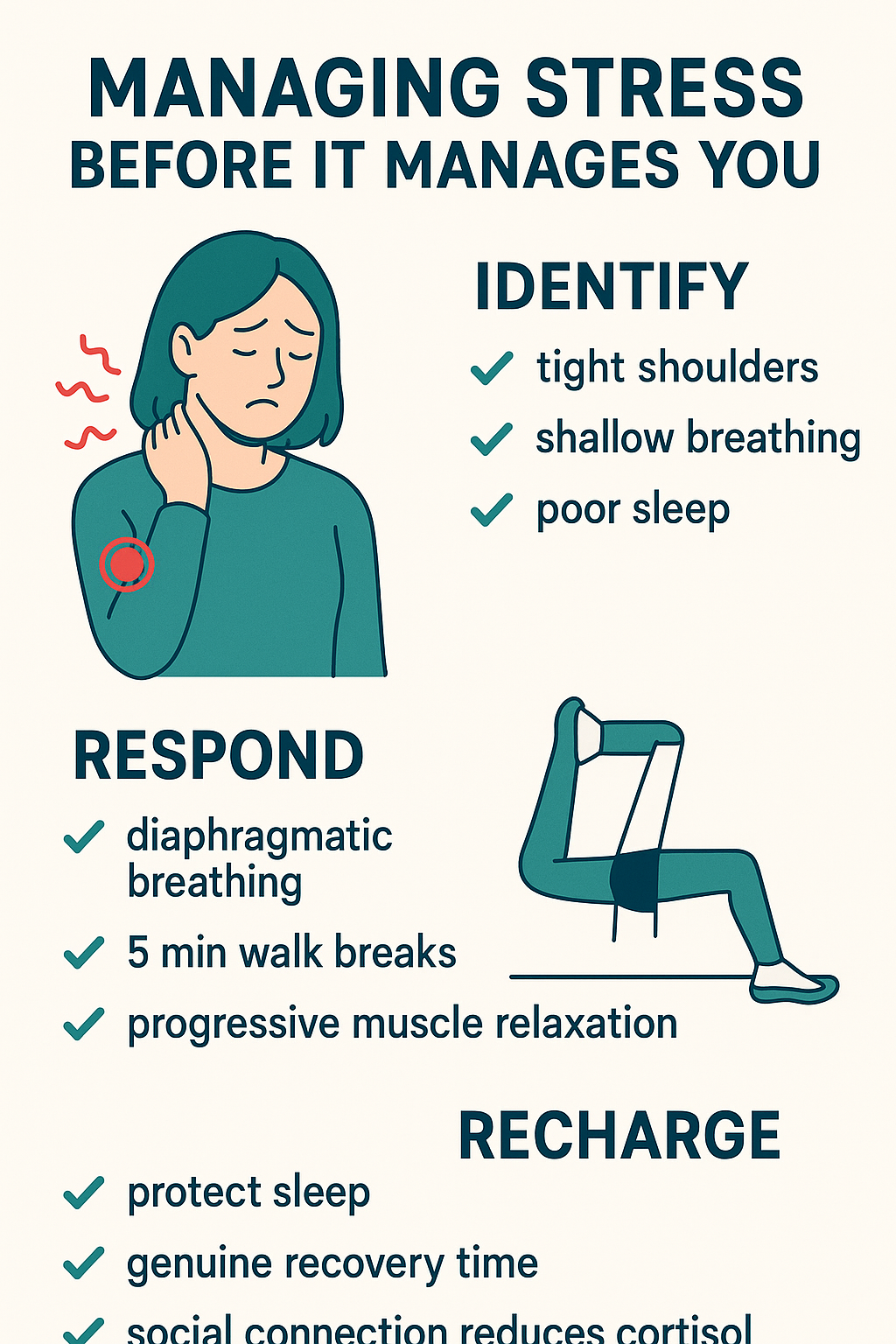
Stress: When Your Nervous System Never Gets to Rest
Medically reviewed by Dr. Tatsiana Vovk, ND, Licensed Naturopathic Doctor · Last reviewed May 26, 2026
What Stress Actually Is
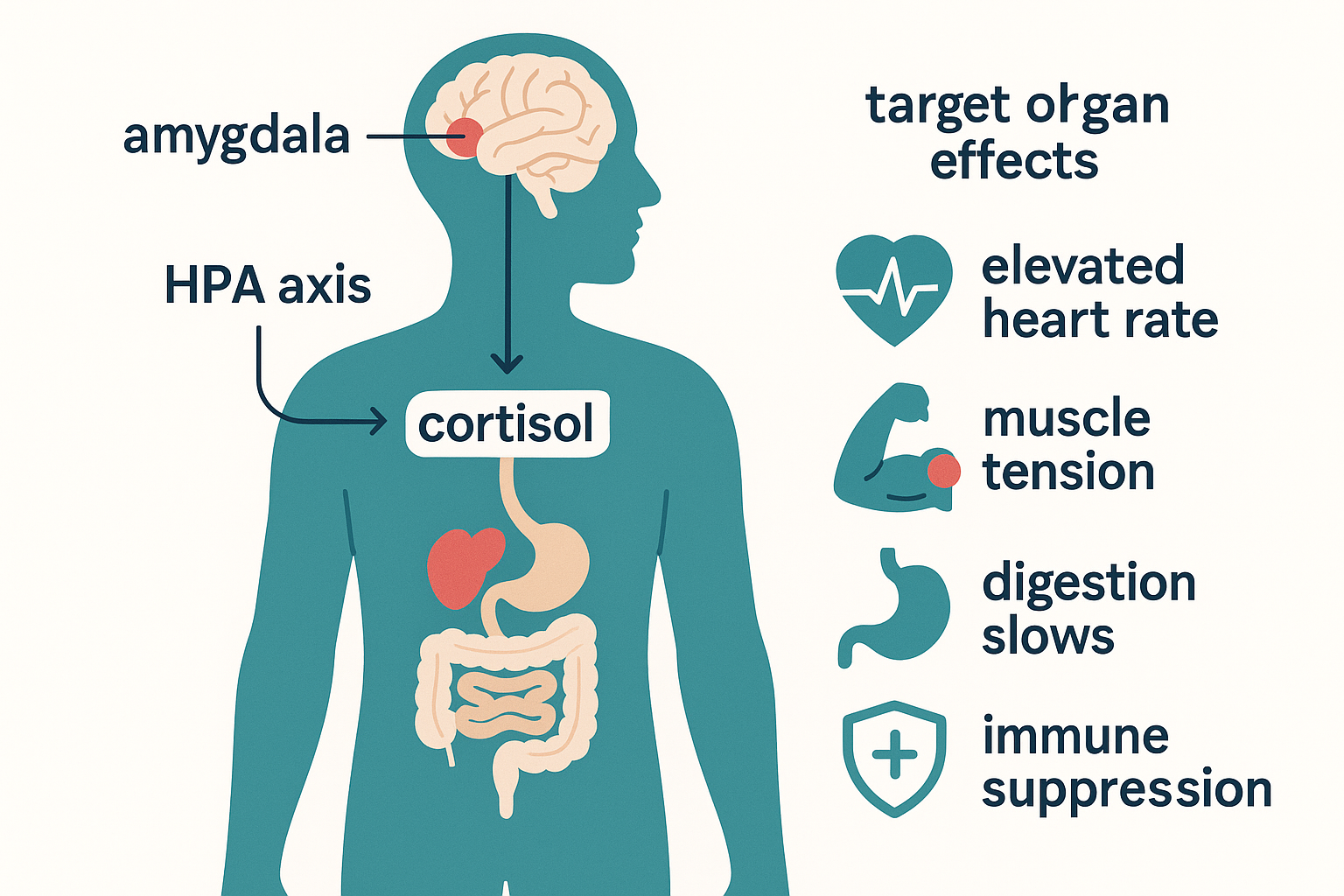
Acute stress is adaptive. When you face a genuine threat, the hypothalamic-pituitary-adrenal (HPA) axis activates, cortisol rises, adrenaline floods the system, and your body marshals its resources to respond. Heart rate increases, blood sugar rises, digestion slows, immune function shifts — everything redirects toward survival. This is the stress response, and it is necessary.
Chronic stress is the problem. Modern life rarely produces the physical resolution that the stress response evolved for — the threat doesn’t pass, the predator doesn’t leave, the deadline is immediately replaced by another. The HPA axis remains activated. Cortisol remains elevated. And over months and years, chronic HPA activation produces measurable damage:
- Brain: Elevated cortisol is neurotoxic to the hippocampus (memory and mood centre); reduces BDNF (brain growth factor); impairs prefrontal cortex function (decision-making, emotional regulation)
- Immune system: Initially suppressed (which is why you get sick when stressed); then dysregulated toward chronic inflammation
- Gut: Stress increases intestinal permeability (“leaky gut”), alters gut microbiome composition, worsens IBS and inflammatory bowel conditions
- Hormones: Chronically elevated cortisol suppresses thyroid function, sex hormone production (via progesterone “steal”), and insulin sensitivity
- Cardiovascular: Elevated blood pressure, increased platelet aggregation, accelerated atherosclerosis
- Sleep: Elevated cortisol at night → insomnia; morning cortisol blunting → fatigue
Treatments at Wellness Place
Naturopathic Medicine
Naturopathic medicine provides the most comprehensive framework for chronic stress management — addressing the HPA axis, adrenal function, sleep, nutrition, and the downstream consequences of prolonged stress:
Cortisol assessment: Salivary or DUTCH urine testing of the 24-hour cortisol rhythm reveals whether cortisol is too high (early-stage stress response), too low (adrenal burnout), or dysrhythmic (the most common pattern). Treatment is guided by the specific pattern — different stages of HPA dysfunction require different interventions.
Adaptogenic herbs: Adaptogens are plants that specifically modulate the HPA axis — reducing cortisol when it is elevated, supporting adrenal output when depleted, and normalizing stress reactivity:
– Ashwagandha (KSM-66/Sensoril): The most researched adaptogen for stress reduction — multiple RCTs show significant reduction in cortisol levels, stress scores, and anxiety. Also improves sleep and thyroid function.
– Rhodiola rosea: Evidence for stress resilience, mental fatigue, and burnout. Particularly effective for “tired but wired” presentations.
– Holy Basil (Tulsi): Modulates cortisol and blood sugar, reduces anxious rumination, supportive for digestive stress symptoms.
– Eleuthero: Long-used for sustained physical and mental stress endurance; supports immune resilience during high-stress periods.
– Maca: Particularly useful for hormonal stress effects — supports adrenal-gonadal axis function.
B vitamins: The adrenal glands require B5 (pantothenic acid) for cortisol synthesis; chronic stress rapidly depletes B vitamins (particularly B5 and B6). Repletion supports adrenal recovery and nervous system function.
Vitamin C: The adrenal glands have the highest concentration of vitamin C in the body; it is consumed during cortisol synthesis. High-dose vitamin C supplementation supports adrenal function during stress.
Magnesium: Cortisol depletes magnesium; magnesium deficiency amplifies cortisol reactivity — a vicious cycle. Magnesium glycinate is the form most effective for nervous system support and sleep.
Thyroid optimization: Chronic cortisol suppresses T4-to-T3 conversion and TSH. Addressing stress-related subclinical hypothyroidism (fatigue, brain fog, weight gain, cold intolerance) is often necessary as part of a comprehensive stress treatment plan.
Lifestyle prescriptions: Your naturopath will create an individualized lifestyle plan addressing sleep, exercise, dietary anti-inflammatory support, caffeine and alcohol moderation, and evidence-based relaxation practices.
Acupuncture
Acupuncture is one of the most effective tools available for nervous system regulation and stress:
- Directly activates the parasympathetic nervous system (“rest and digest”) — measurably reduces heart rate, blood pressure, and cortisol within a single session
- Modulates the HPA axis chronically with regular treatment — reduces baseline cortisol reactivity
- Increases heart rate variability (HRV) — the gold-standard marker of autonomic resilience and stress tolerance
- Stimulates endorphin and serotonin release — providing immediate mood and tension relief
- Reduces the physical manifestations of stress: muscle tension, headache, digestive symptoms, chest tightness
Many patients report that acupuncture provides a depth of relaxation they are unable to achieve by other means — the treatment itself serving as a forced rest for an overactivated nervous system.
Massage Therapy
Therapeutic massage directly addresses the physical component of chronic stress — the held muscle tension, the elevated heart rate, the shallow breathing pattern that becomes habitual under sustained pressure. A single session measurably reduces cortisol and increases serotonin and oxytocin. Regular massage is a research-supported component of chronic stress management, with effects accumulating over a course of sessions.
Private Yoga
Yoga is one of the most evidence-based mind-body interventions for chronic stress — combining physical movement, breath regulation, and conscious attention in a way that specifically trains the stress response system toward greater resilience. Restorative and yin yoga practices are particularly effective for nervous system downregulation. Private yoga at Wellness Place allows a completely personalized approach, adapting to your current stress state, physical limitations, and specific needs.
Frequently Asked Questions
Isn’t some stress good for you?
Yes — acute, manageable stress (eustress) is associated with performance, focus, and growth. The problem is chronic, unrelenting, unresolved stress — when the stress response never fully shuts down. The body evolved for peaks and valleys; chronic flat-line elevation is the damaging state.
What’s the difference between stress and anxiety?
Stress is typically driven by external demands — there is an identifiable stressor. Anxiety involves a nervous system that has become generalized in its threat perception — producing fear and physiological arousal in the absence of, or disproportionate to, external stressors. Chronic stress can develop into anxiety; anxiety amplifies stress reactivity. They often coexist and benefit from similar treatments.
How long does it take for the nervous system to recover from chronic stress?
The nervous system responds quickly to targeted intervention — many people notice significant improvement in sleep, energy, and mood within 4–8 weeks of consistent treatment. Full HPA axis normalization after prolonged burnout may take 3–6 months. Recovery is faster when sleep, exercise, nutrition, and targeted supplementation are addressed simultaneously.
For patient education only. Not medical advice.