
Foot Reflexology for Digestive Problems: IBS, Bloating, and Constipation
Bloating that arrives by mid-afternoon. A bathroom schedule that nobody could set a watch by. Cramping that eases for a week and then comes back. Digestive trouble is common, it is rarely dramatic, and it wears people down over months. Many look for something gentle to add alongside the advice from their doctor, and foot reflexology comes up often.
So what can it actually do for your gut? The honest answer is more modest than the marketing, and it is worth knowing before you book.
What foot reflexology is
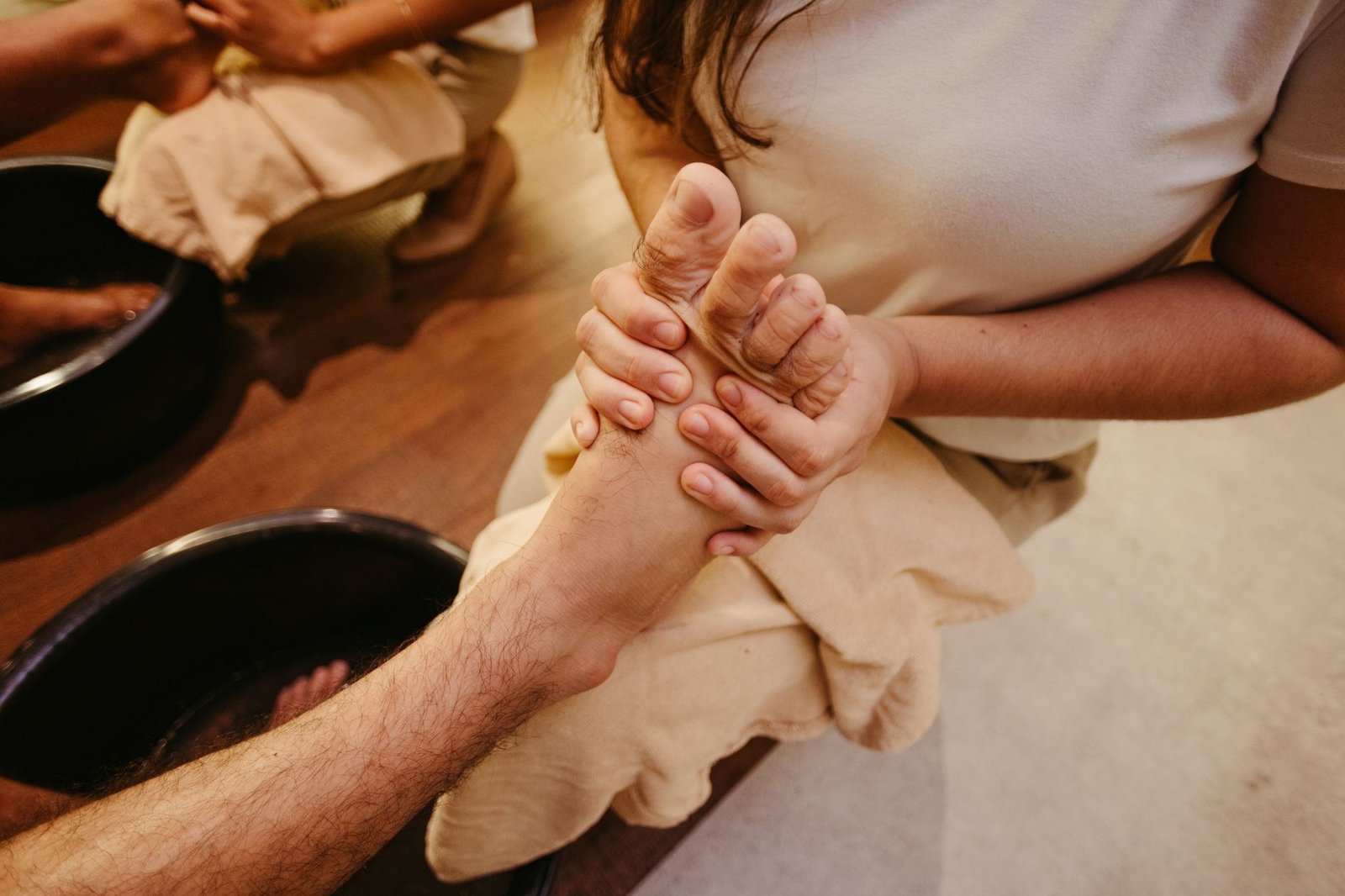
Reflexology is a form of structured pressure applied to the feet. A practitioner works along specific areas using thumbs and fingers, with a typical session lasting 30 to 60 minutes. The traditional idea is that zones on the feet correspond to organs, so the arch is linked with the digestive tract. Science has not confirmed that map. What we can say is that firm, rhythmic foot massage is deeply relaxing, and relaxation matters for digestion.
Why the gut cares about stress
Your digestive system has its own dense network of nerves, and it talks constantly with your brain. When you are tense, that conversation changes. Gut movement can speed up or slow down, and the abdomen becomes more sensitive to normal sensations like gas. This is one reason irritable bowel syndrome (IBS), a condition of recurring belly pain with changes in bowel habits, so often flares during stressful stretches.
A therapy that reliably calms the nervous system could, in theory, help some of these symptoms. Theory is not proof, though, so here is what the research says.
What the research shows for constipation
A randomized trial in a nursing home in Turkey followed 60 older adults, split evenly into two groups. One group received foot reflexology for 30 minutes, three times a week, for a month. The comparison group received a light foot massage without pressure. Afterward, the reflexology group was emptying their bowels on alternate days more often than the comparison group, and they reported milder constipation and better quality of life. You can read the full study on PubMed Central.
The study has limits. It was a single nursing home, the participants were older adults, and it lasted only a month, so we cannot assume the same result for a 35-year-old with a desk job. It is encouraging, not conclusive.
What the research shows for IBS
Here the picture is less flattering. A single-blind trial of 34 people with IBS compared reflexology with a non-reflexology foot massage. For abdominal pain, constipation or diarrhea, and abdominal distension, researchers found no meaningful difference between the two groups. The author concluded there was no evidence that reflexology offers a specific benefit for IBS, while noting the study was small and that more research was needed. The trial is open to read here.
Notice what that result does and does not say. Both groups got a foot massage, so the finding suggests the specific reflexology technique added nothing beyond touch and rest. It does not say people felt worse, and it does not rule out a general comfort benefit. It is a reason to keep expectations realistic.
How to think about it
Used well, reflexology is a supportive, low-risk comfort measure. It is not a cure for IBS, and it should never replace a proper medical workup. Some patterns need a doctor before any complementary therapy: blood in the stool, unexplained weight loss, black stools, persistent vomiting, waking at night with bowel symptoms, or a sudden change in bowel habits after age 50.
The habits with the strongest track record sit alongside it. Eating regular meals, adding fibre slowly rather than all at once, drinking water through the day, walking for 10 minutes after dinner, and keeping a simple symptom diary can all shift how your gut behaves. A diary that notes foods, stress levels, and bowel movements often reveals a pattern within two weeks.
What a session looks like
You stay fully clothed apart from socks and shoes, lying back or reclining. The practitioner uses steady pressure on the arch, heel, and the base of the toes, and your feet may feel tender in some spots. Pressure is adjusted to your comfort, and a lighter touch is always an option. Most people leave feeling calm and loose through the legs, and some notice a change in digestion over the next day or two. Others feel nothing specific beyond the relaxation, which is a perfectly reasonable outcome.
If you want to see how it fits in, our foot reflexology service in Newmarket is a good starting point. For more on the symptoms themselves, our page on digestive issues explains common causes and how we approach them.
Your next step
Write down your three most bothersome digestive symptoms and how often they occur this week, then bring that note to your appointment. It gives your practitioner something concrete to work with, and it gives you a baseline to compare against after a few sessions.