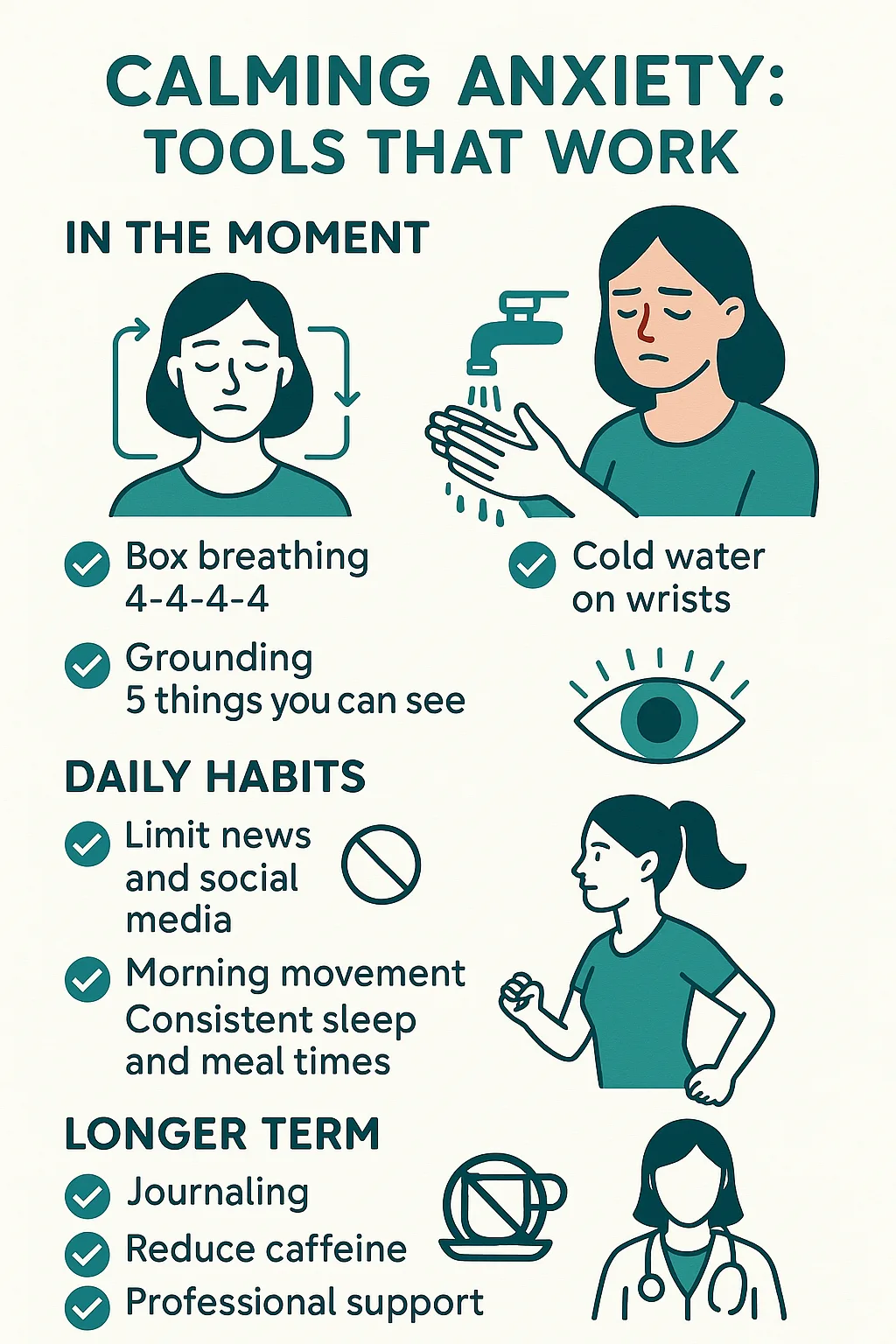
Anxiety: Understanding Your Nervous System — and Finding Calm
What Is Anxiety?
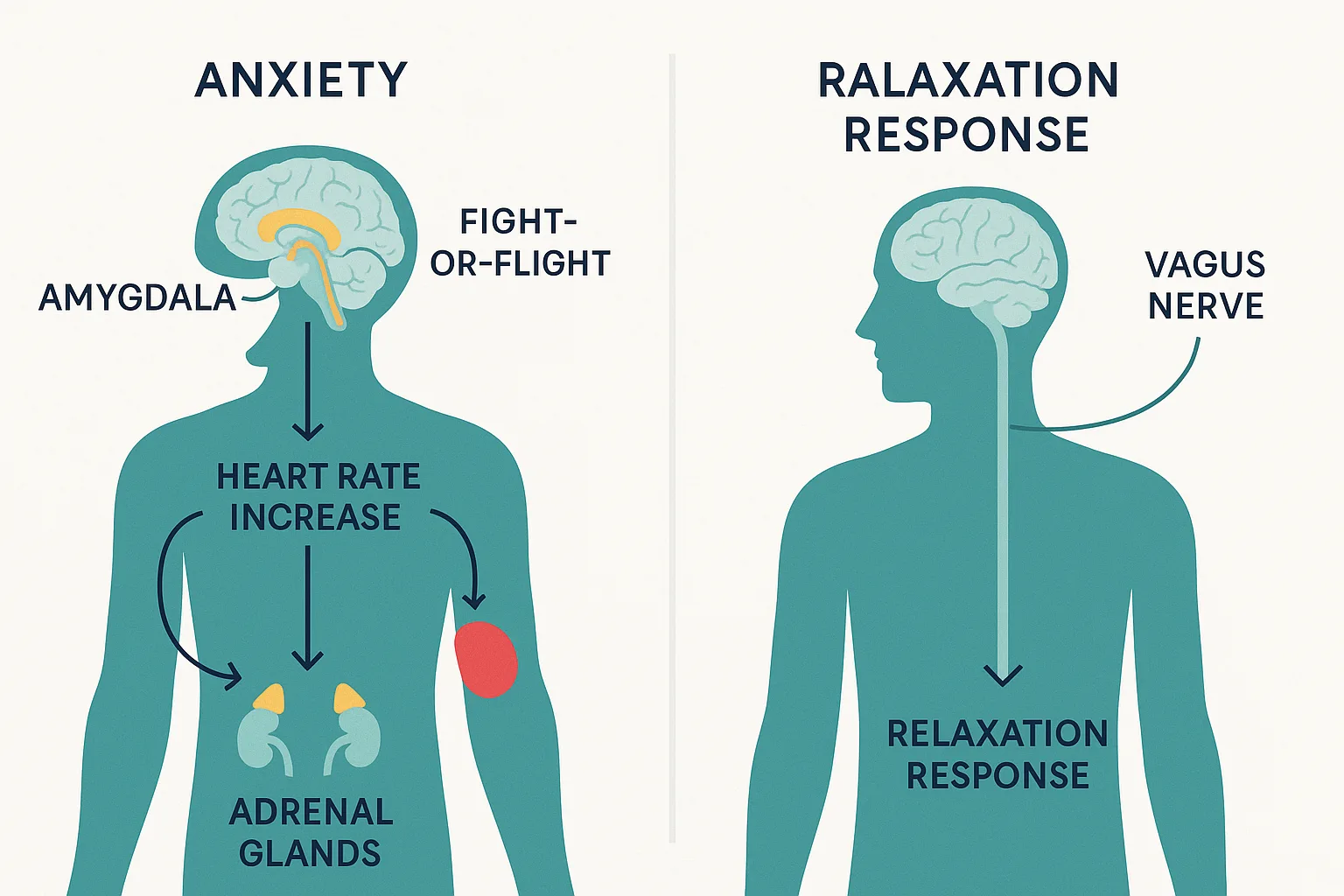
Anxiety is a normal, adaptive response to genuine threat. When you perceive danger, the sympathetic nervous system activates — heart rate increases, breathing shallows, muscles tighten, cortisol floods the system. This is the fight-or-flight response. It is necessary and life-saving in genuinely threatening situations.
The problem arises when this system activates in the absence of genuine threat — in traffic, in social situations, at 2 AM, when thinking about the future. Over time, the nervous system can become chronically primed for threat, keeping the body in a state of low-grade or high-grade activation from which it is difficult to return.
Anxiety disorders are diagnosed when anxiety is persistent, excessive, and interferes significantly with daily life:
- Generalized Anxiety Disorder (GAD): Pervasive, difficult-to-control worry about multiple areas of life
- Social Anxiety Disorder: Intense fear of social situations and scrutiny
- Panic Disorder: Recurrent, unexpected panic attacks — sudden surges of intense fear with physical symptoms
- Specific Phobias: Intense, disproportionate fear of specific objects or situations
- Health Anxiety: Excessive worry about health and physical symptoms
Treatments at Wellness Place
Naturopathic Medicine
Naturopathic medicine approaches anxiety by addressing its neurological, nutritional, and hormonal drivers:
GABA support: GABA is the primary inhibitory neurotransmitter — the brain’s “calm” chemical. Low GABA function underlies many anxiety presentations. Magnesium glycinate, L-theanine (from green tea), and specific herbal preparations (passionflower, valerian) support GABA signalling naturally.
Adaptogenic herbs: Ashwagandha (KSM-66 or Sensoril form) has the strongest evidence of any botanical for reducing anxiety — multiple RCTs show significant reduction in anxiety scores, cortisol levels, and stress reactivity. Rhodiola supports stress resilience; lemon balm reduces acute anxiety.
HPA axis regulation: Chronic anxiety dysregulates the hypothalamic-pituitary-adrenal axis — producing abnormal cortisol patterns (too high in the evening, too low in the morning). Testing cortisol rhythm (via saliva or urine) and normalizing it through targeted supplementation and lifestyle support is often transformative.
Hormonal factors: Anxiety frequently worsens with hormonal transitions — premenstrually, in perimenopause, postpartum. Your naturopath will assess the hormonal contribution and address it specifically.
Gut-brain axis: The microbiome produces a significant proportion of the body’s serotonin and communicates directly with the brain via the vagus nerve. Dysbiotic gut flora is associated with anxiety and depression — probiotic support and gut healing may reduce anxiety through this pathway.
Nutritional deficiencies: Magnesium, B vitamins (particularly B6 and B12), vitamin D, and zinc deficiencies are all associated with increased anxiety. Testing and targeted repletion often produces rapid improvement.
Acupuncture
Acupuncture is one of the best-studied integrative treatments for anxiety, with evidence across multiple types:
- Reduces cortisol and sympathetic nervous system activation — measurable physiological effects
- Promotes parasympathetic tone (the “rest and digest” state) through vagal nerve stimulation
- Serotonin and GABA modulation — acupuncture increases serotonergic and GABAergic tone
- Heart Rate Variability (HRV) improvement — a marker of autonomic flexibility and resilience
Key points for anxiety management include the Du Mai (governing vessel) and Ren Mai (conception vessel) points, Heart and Pericardium meridian points, and the powerful calming point Yintang (between the eyebrows). Most patients feel a profound relaxation response during treatment, and effects accumulate over a course of sessions.
Massage Therapy (RMT)
Massage therapy directly addresses the physical component of anxiety — the chronic muscle tension, elevated resting heart rate, and sympathetic overdrive that accompany persistent anxiety. Therapeutic massage activates the parasympathetic nervous system, reduces cortisol, increases oxytocin and serotonin, and provides a direct experience of physical safety and ease — something anxious bodies often desperately need. Regular massage can be a meaningful part of a broader anxiety management plan.
Private Yoga
Yoga combines physical movement, breath regulation, and mindful attention — three of the most evidence-based approaches to anxiety management. Specific yoga practices that activate the parasympathetic nervous system (yin yoga, restorative yoga, slow flow with long exhales) are particularly therapeutic. Private yoga at Wellness Place allows a completely personalized approach — appropriate for any fitness level, adapting to your specific anxiety presentations and physical needs.
When to Seek Additional Support
Naturopathic medicine and integrative therapies are highly effective for mild-to-moderate anxiety and as adjuncts to psychological treatment for more severe presentations. However:
- Psychotherapy — particularly cognitive behavioural therapy (CBT) — is the gold-standard psychological treatment for anxiety disorders and should be part of the care plan for moderate-to-severe anxiety
- Medication may be appropriate when anxiety is severe, when it is a safety concern, or when other treatments have not produced adequate relief
- If you are experiencing thoughts of self-harm or suicide, please contact Crisis Services Canada (1-833-456-4566) or go to your nearest emergency department
Your Nervous System Can Learn to Calm
Anxiety is not a fixed state — the nervous system has neuroplasticity and can learn new patterns of regulation. With the right combination of support, meaningful recovery is possible. Book an appointment →
For patient education only. Not medical advice.