
Joint Pain During Menopause: Why It Happens and How Physio Helps
Medically reviewed by Ksenya Kharnam, BPT, Registered Physiotherapist, Clinical Director · Last reviewed August 7, 2026
Stiff knees in the morning. Aching hips after sitting. Hands that feel swollen and sore for no apparent reason. If you’re in your 40s or 50s and these kinds of complaints have started appearing — or worsening — hormones are very likely part of the story.
Joint and muscle pain is one of the most underrecognized symptoms of the menopausal transition, yet research suggests it affects a substantial majority of women during this phase of life.
The Connection Between Estrogen and Your Joints
Estrogen is not just a reproductive hormone. It plays an active role throughout the musculoskeletal system — influencing cartilage health, connective tissue integrity, inflammation regulation, and pain sensitivity. When estrogen levels begin to decline during perimenopause, the effects can be felt in joints, tendons, ligaments, and muscles.
A systematic review and meta-analysis published in PMC found that the overall prevalence of musculoskeletal pain among perimenopausal women was approximately 71%, and that perimenopausal women had a significantly higher risk for musculoskeletal pain than premenopausal women. The most commonly affected areas include the knees, hips, hands, shoulders, and lower back.
The mechanism is multifactorial. Estrogen has known anti-inflammatory properties. As levels drop, the inflammatory threshold in joint tissue may lower, making everyday activities more painful. Estrogen also supports collagen synthesis — the structural protein that gives joints their cushioning and tendons their strength. Lower estrogen means less collagen turnover and slower repair of microscopic tissue damage.
Is It Arthritis — or Something Else?
Menopausal joint pain is often mistaken for the onset of arthritis, and while the two can coincide, they are not the same. Arthritis involves structural changes to the joint itself. Menopausal musculoskeletal pain is often diffuse, symmetrical, and related to soft tissue and inflammation rather than to joint degradation — and it can fluctuate with hormone levels.
A useful indicator: if the aching started or noticeably worsened around the same time as other perimenopausal symptoms (irregular periods, hot flashes, sleep changes), hormonal changes are almost certainly a contributing factor. That distinction matters for how you approach treatment.
How Physiotherapy Helps
Physiotherapy addresses menopausal joint pain from multiple angles — it doesn’t just manage symptoms; it treats the underlying tissue vulnerabilities that estrogen decline creates.
A systematic review in Healthcare (Basel) examining manual therapy for musculoskeletal pain in menopause found that combined physiotherapy approaches — including manual therapy, exercise, and soft tissue work — produced meaningful reductions in pain and improved function in menopausal women across a range of joint conditions.
Manual Therapy
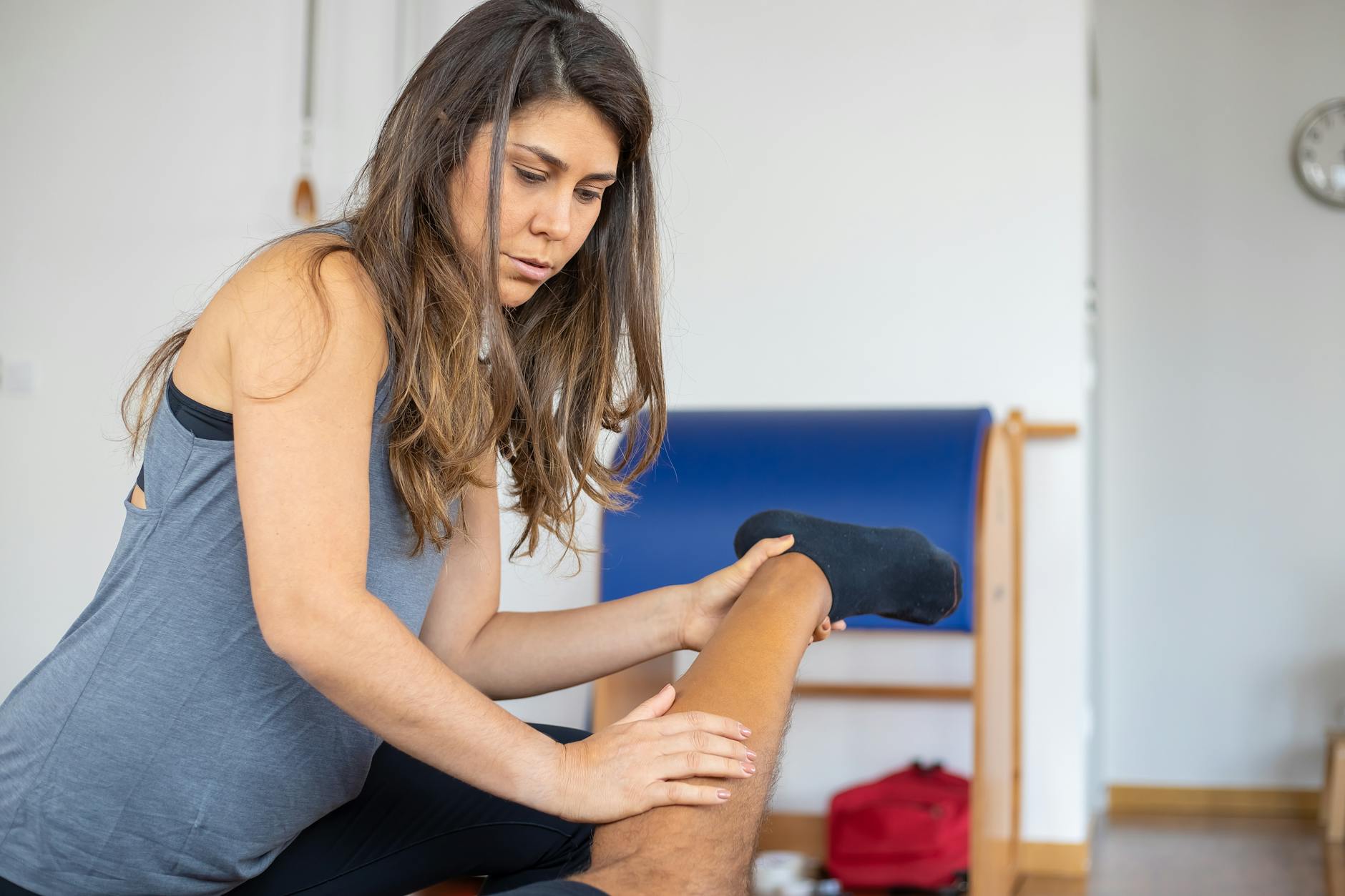
Hands-on joint mobilization and soft tissue techniques can reduce pain, restore range of motion, and address the muscle guarding that builds up around painful joints. Manual therapy is particularly effective for the hip, knee, shoulder, and cervical spine — all areas commonly affected during the menopausal transition.
Therapeutic Exercise
Strength training is one of the most evidence-backed interventions for menopausal musculoskeletal health. Stronger muscles around a joint reduce the load on cartilage and connective tissue. Weight-bearing exercise also helps maintain bone density — an important consideration as estrogen levels fall and osteoporosis risk rises. Your physio will design a program appropriate for your current strength and pain levels.
Posture and Load Management
Poor posture, movement compensations, and prolonged sitting can all amplify joint pain. A physiotherapist identifies these patterns and gives you practical tools to move better throughout your day — reducing cumulative strain on vulnerable areas.
Shockwave Therapy
For tendon-related pain (such as hip flexor or rotator cuff issues), shockwave therapy can accelerate healing in chronically irritated tissue — an option available at Wellness Place for appropriate cases.
Complementary Approaches
Physiotherapy works best as part of a broader strategy. Anti-inflammatory nutrition, targeted supplementation (such as omega-3 fatty acids and vitamin D), and naturopathic support can address the hormonal environment contributing to joint symptoms, while physio addresses the mechanical and structural factors.
Our physiotherapy team at Wellness Place has extensive experience supporting women through the musculoskeletal changes of perimenopause and menopause. You can also visit our menopause condition page for a broader overview of the integrative care we offer.
When to Seek Help
Don’t wait until joint pain is severely limiting your activities. The earlier you address musculoskeletal changes, the easier it is to prevent compensatory patterns and maintain function. If you’ve noticed new or worsening joint stiffness, aching, or reduced mobility alongside other perimenopause symptoms, booking a physiotherapy assessment is a smart next step.
Joint pain during menopause is common — but it is not something you simply have to live with.