
What Is Osteopathy? A Plain-Language Guide to What It Treats
Medically reviewed by Ksenya Kharnam, BPT, Registered Physiotherapist, Clinical Director · Last reviewed September 30, 2026
A patient came into our Newmarket clinic last month describing a dull ache along her lower back that had been there for eight months. Nothing dramatic. No injury she could point to. Just a stiffness that made getting out of bed a slow process and sitting through a workday feel like an endurance sport. She’d tried stretching apps and a heating pad. What she hadn’t tried was osteopathy, and she wasn’t entirely sure what that word even meant.
She’s not alone. Osteopathy gets lumped in with other manual therapies, and the name itself doesn’t do much explaining. So let’s actually look at what it is, what it treats, and where the evidence stands.
What Osteopathy Actually Is
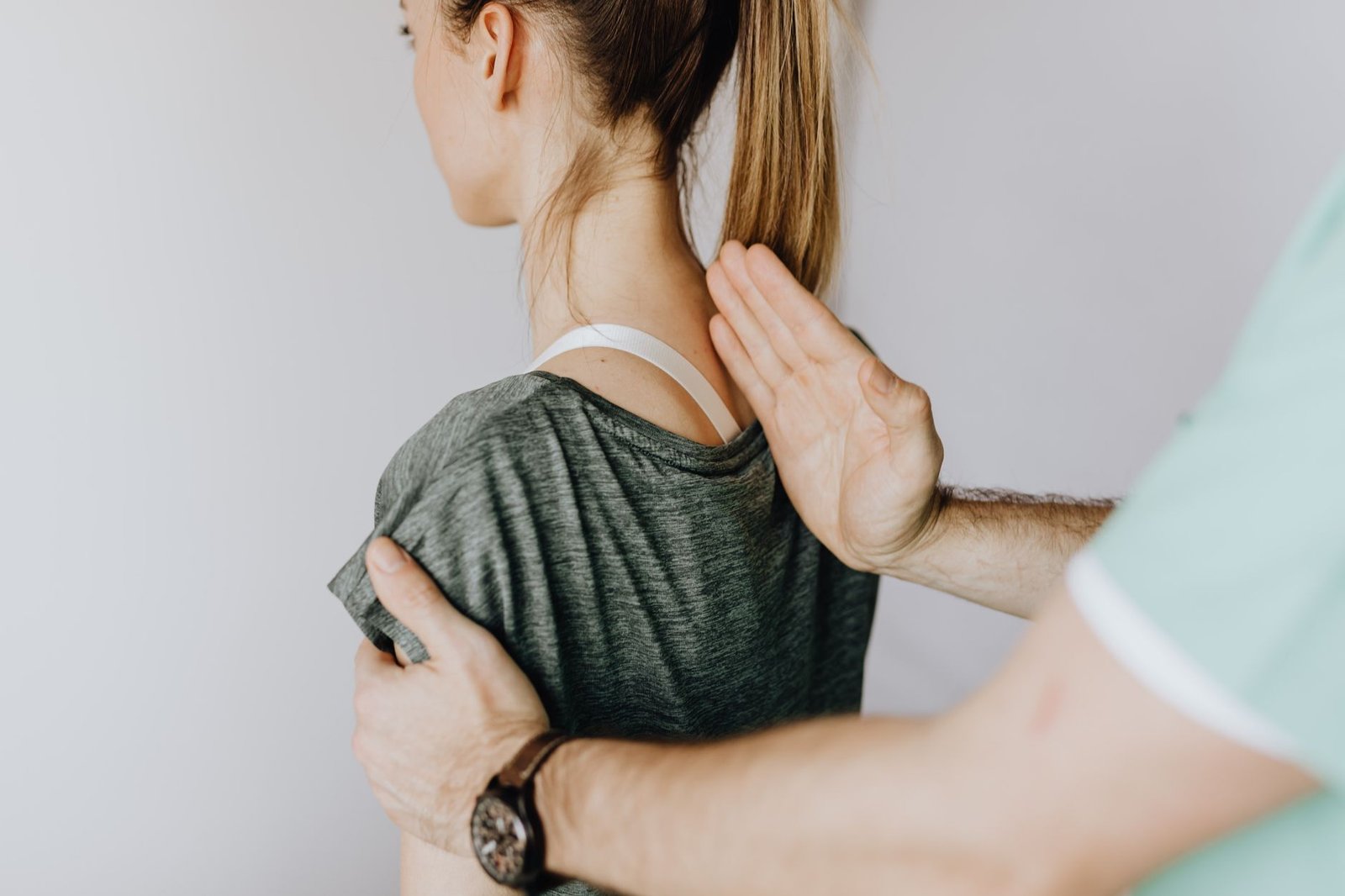
Osteopathy is a hands-on approach to assessing and treating the body, built on the idea that structure and function are connected. If a joint isn’t moving well, if a muscle is chronically tight, if your posture has quietly shifted after years at a desk — that can affect how the rest of your body works, sometimes in places far from where you feel the discomfort.
An osteopathic manual practitioner uses techniques like gentle mobilization, stretching, and targeted pressure to improve movement in joints and soft tissue. There’s no cracking or forceful adjustment involved in most sessions. It tends to feel more like slow, deliberate bodywork than a chiropractic adjustment, though the two fields do overlap in places.
How It Differs From Physiotherapy or Massage
People often ask this, and it’s a fair question. Physiotherapy tends to focus on exercise-based rehabilitation and strengthening. Massage therapy works primarily on soft tissue. Osteopathy sits somewhere in between, looking at the whole system — joints, fascia, circulation, nerve pathways — and how they interact. A good osteopath might spend as much time assessing how you walk or breathe as they do working on the area that actually hurts.
What Conditions Does Osteopathy Treat?
This is the part most people actually want answered. Osteopathy is commonly used for:
- Low back and neck pain
- Joint stiffness, including shoulders, hips, and knees
- Tension headaches and jaw tightness
- Postural strain from desk work or repetitive movement
- Pregnancy-related back and pelvic discomfort
- Recovery support after minor injuries or sprains
One of the larger areas of research interest is chronic pain — pain that lingers past the usual healing window, often three months or more. This is where osteopathic manipulative treatment has been studied fairly extensively. A systematic review in BMC Musculoskeletal Disorders looked at osteopathic manipulative treatment for low back pain and found clinically relevant improvements in pain and function, including for chronic cases, though the authors called for larger, higher-quality trials (systematic review). That’s a fairly typical finding in manual therapy research generally — real benefit, with room for better-designed studies.
If you’re dealing with pain that’s stuck around longer than it should, our chronic pain page goes into more detail on how we approach it here, osteopathy being one piece of a broader plan that might also include movement coaching or referral to another provider.
The Evidence, Honestly
I’ll be straight about this: osteopathy research is still catching up to how widely the practice is used. Some conditions have decent supporting evidence, others rely more on clinical experience and patient-reported outcomes. A 2022 overview of systematic reviews in BMJ Open landed in a similar place: promising evidence for musculoskeletal problems, and limited or inconclusive evidence for things like headaches and IBS (the overview). That doesn’t mean it doesn’t work. It means the mechanism isn’t fully mapped, and any practitioner who tells you otherwise is overselling it.
What a Session Actually Looks Like
First visit usually runs 45 to 60 minutes. Expect questions about your health history, your daily habits, sleep, stress, old injuries — things that seem unrelated but often aren’t. Then a physical assessment: watching you stand, sit, reach overhead, maybe walk a few steps. The actual hands-on treatment might involve rhythmic pressure on a joint, gentle stretching of a muscle group, or slow mobilization of the spine. Most people describe it as calming rather than intense.
Who Should Consider It
Osteopathy tends to suit people with mechanical, movement-related complaints — stiffness, restricted range of motion, pain that shifts depending on posture or activity. It’s less suited to acute medical emergencies or conditions requiring imaging and surgical consultation, and a good practitioner will tell you that upfront rather than promise a fix.
If any of this sounds like what you’ve been dealing with, our osteopathy page has more on our practitioners and how sessions are structured at our Newmarket clinic. Or just call and ask — that’s usually faster than reading another article about it.