
Reflexology During Pregnancy: Is It Safe, and What Can It Help?
Pregnancy changes how your body feels almost week by week. Your feet swell by evening. Your lower back aches after a shift at work. Sleep gets harder to come by, and as the due date gets closer, many people start to feel nervous about labour itself. Medication options are limited during pregnancy, so it makes sense that more expecting parents in Newmarket are asking about gentle, drug-free supports like reflexology.
So is it safe? And does it actually help with anything? Here is what the research says, in plain language.
What Reflexology Is (and What It Isn’t)
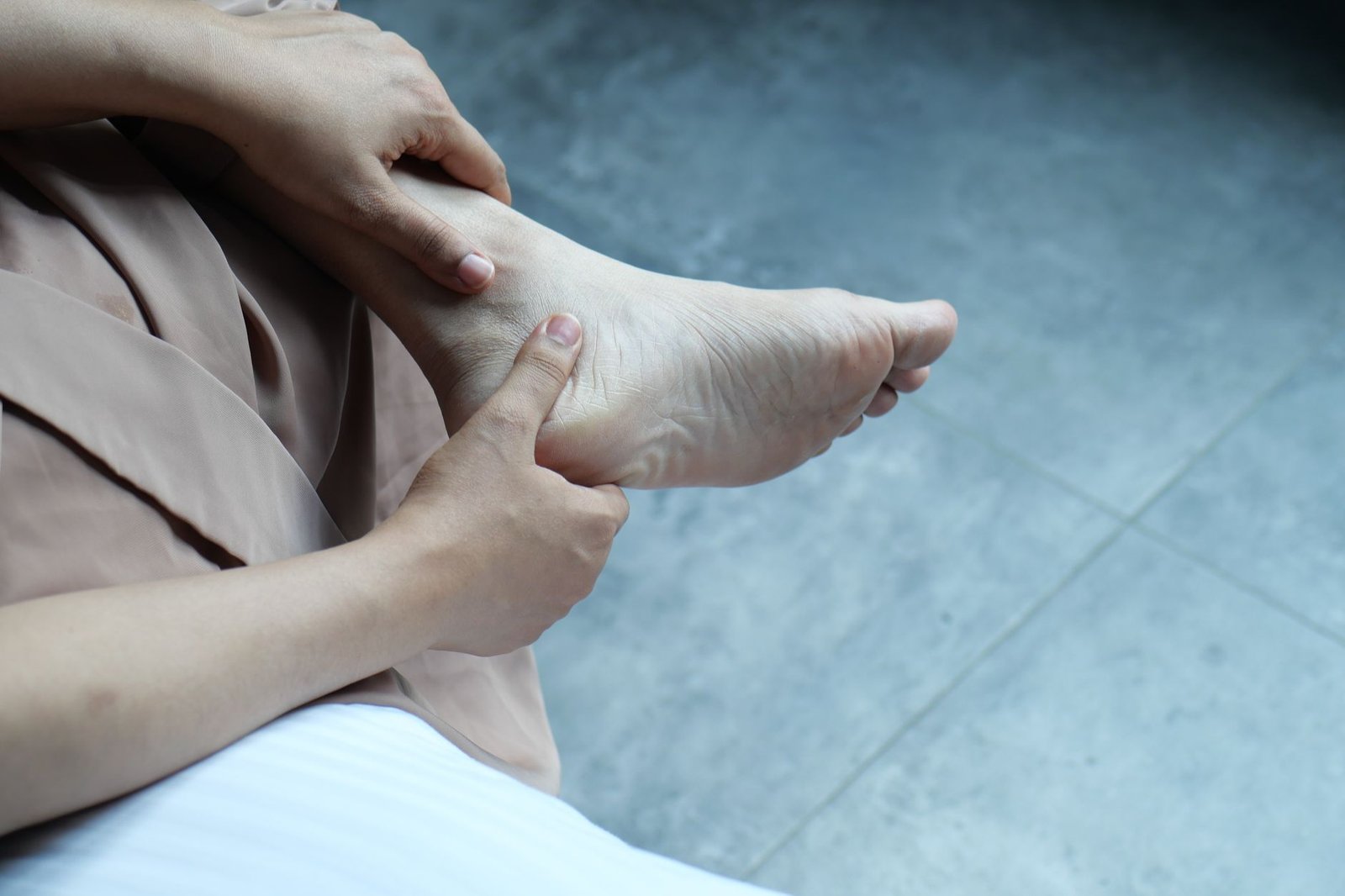
Reflexology is a hands-on therapy that uses steady thumb and finger pressure on specific points of the feet, and sometimes the hands or ears. The traditional idea is that areas of the foot relate to other parts of the body. Science hasn’t proven those exact “maps,” and you don’t need to believe in them to benefit. What we can say is that a calm, focused 45 to 60 minutes of foot work tends to slow breathing, relax tight muscles and give the nervous system a break.
It is not a massage of the whole body, and it doesn’t replace care from your midwife, family doctor or obstetrician. Think of it as a supportive add-on.
Is Reflexology Safe During Pregnancy?
For most people with a healthy, low-risk pregnancy, reflexology appears to be a low-risk option. A 2024 systematic review and meta-analysis in Scientific Reports pooled 13 randomized controlled trials with 1,189 pregnant participants and described foot reflexology as a safe, non-invasive complementary therapy (Yang et al., 2024).
Safe for most still isn’t safe for everyone. Check with your prenatal care provider before booking if any of these apply to you:
- A high-risk pregnancy, a history of preterm labour, or bleeding
- Pre-eclampsia or high blood pressure
- A history of blood clots, or new swelling, warmth or pain in one calf
- Placenta previa or other placental concerns
Many reflexologists also prefer to wait until after the first trimester, simply because those early weeks are when the body is changing fastest. Always tell your practitioner how far along you are. A trained reflexologist will adjust pressure, keep sessions shorter if needed, and set you up in a supported, semi-reclined position rather than flat on your back.
What Can Reflexology Help With?
Anxiety and stress
This is where the evidence is most consistent. The 2024 meta-analysis found that pregnant women who received foot reflexology reported less anxiety than those in the comparison groups. A separate 2023 systematic review in Heliyon reached a similar conclusion, rating reflexology as “probably effective” for anxiety in pregnancy (Liang et al., 2023). If you’d like more background on the calming side of this therapy, our post on reflexology for stress relief goes deeper.
Labour pain and length of labour
Both reviews reported that reflexology was linked with lower labour pain and a shorter labour. The 2024 review also found higher birth satisfaction and slightly lower pulse and breathing rates, though no change in blood pressure. Most of these studies applied reflexology around the time of labour, so the findings are about that window rather than sessions months earlier.
Back pain, sleep, swelling and fatigue
Here the honest answer is “maybe.” The 2023 review looked at low back and pelvic pain, sleep quality, fatigue, constipation, and ankle and foot swelling. Some individual trials showed benefits, but there weren’t enough good studies to draw firm conclusions. Plenty of people find a session relaxing for tired, puffy feet. We just can’t promise that from the research yet.
A Quick Word on the Quality of the Evidence
The research is encouraging, not airtight. In the 2023 review, 11 of the 13 trials were judged to have a high risk of bias, and the authors stated that strong supportive evidence is not yet available. They called for larger, better-designed trials. That means reflexology is best seen as a comfortable, low-risk support with promising early results, especially for anxiety and labour, rather than a proven treatment.
What a Prenatal Reflexology Session Looks Like
Expect a short health history first: your due date, any complications, and how you’re feeling that week. You’ll stay fully clothed except for your shoes and socks. You’ll usually rest in a reclined chair or on a table propped with pillows, slightly tilted to one side.
The practitioner warms up each foot with gentle strokes, then works through the sole, heel, arch and toes with slow, firm pressure. It should never be painful. Tender spots are common, so speak up and the pressure can be eased right away. Afterward, drink some water and take a few minutes before driving home.
Some people pair reflexology with other gentle care. Prenatal massage can address the back and hips, and pelvic floor physiotherapy helps with deeper issues like pelvic girdle pain. You can read more about our approach to prenatal pelvic health here.
Your Next Step
Start by mentioning reflexology at your next prenatal appointment and getting a quick okay from your midwife or doctor. Once you have that, you can book a session with our team through our foot reflexology service in Newmarket. Bring your due date and any notes from your care provider, wear comfortable clothes, and plan for about an hour of quiet time just for you.