
Knee Pain After 40: What’s Really Going On and How to Get Back to Moving
Medically reviewed by Ksenya Kharnam, BPT, Registered Physiotherapist, Clinical Director · Last reviewed September 30, 2026
Stairs used to be nothing. Now there’s a hesitation at the bottom step, a mental check-in with the knee before committing. That specific shift, not sudden pain but a growing wariness around certain movements, is one of the clearest signs someone’s dealing with the kind of knee pain that shows up more often after 40. It’s manageable, usually more manageable than people assume once they actually get it looked at.
Why 40 Seems to Be a Turning Point
The knee relies on cartilage, ligaments, tendons, and muscle all working together, and a few things start shifting at once as you get older.
Cartilage Thinning
Osteoarthritis is the most common driver, cartilage cushioning the ends of bones gradually wears down, similar to shock absorbers wearing out in a car. As it thins, bones rub more directly against each other, producing pain, stiffness, and swelling. This builds slowly over years, and genetics, body weight, and old injuries all speed the process along.
Weaker Muscles Around the Joint
Muscle mass naturally declines with age (sarcopenia), and the quadriceps specifically play a big protective role for the knee. When they weaken, more mechanical stress lands directly on the joint itself instead of being absorbed by muscle.
Less Flexibility Overall
Tendons and ligaments get less elastic with age, stiffening the joint further. Combine that with reduced activity over the years, which is extremely common, and the surrounding tissue tightens even more, making movement less comfortable than it used to be.
What to Watch For
A dull ache during or after activity, morning stiffness or stiffness after sitting a while, swelling around the joint, a grinding or clicking sensation on bending, or difficulty fully straightening or bending the leg. None of these automatically means something serious, but they’re worth paying attention to rather than ignoring.
What Actually Works, According to Research
Counterintuitively, staying active is one of the best things you can do for arthritic knee pain. Extended rest tends to weaken muscles further and stiffen the joint more, not less. A 2025 analysis in the BMJ compared exercise types for knee osteoarthritis and found aerobic exercise, like walking or cycling, was likely the most helpful for pain, function, and quality of life (the study is here). A Cochrane review of land-based exercise, both strengthening and aerobic, found it reduces pain and improves physical function (the research is here).
Movement, done right and consistently, functions as actual medicine here.
Where Physiotherapy Fits
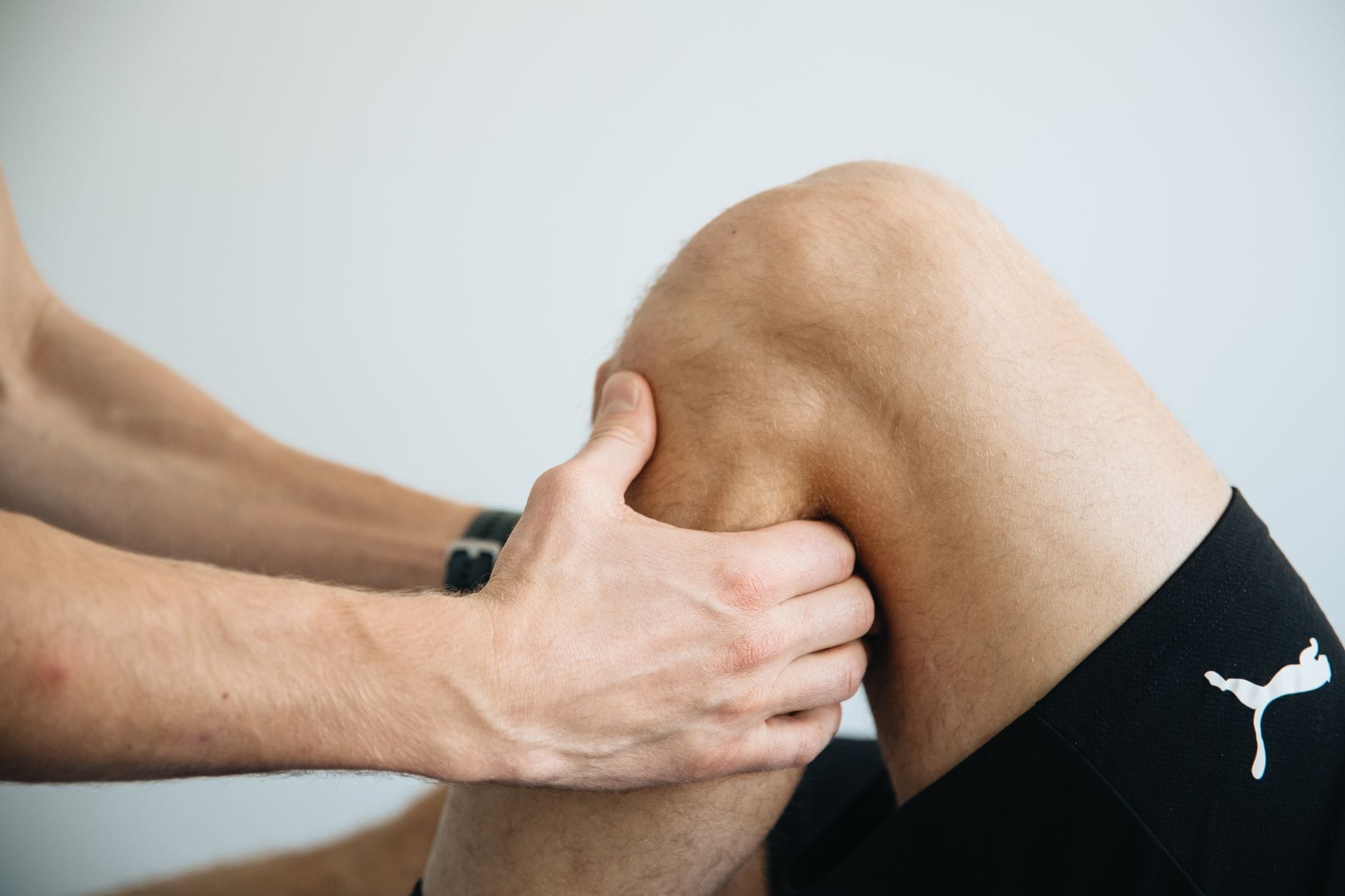
A physiotherapist assesses how your knee is actually moving, identifies muscle imbalances, and builds a plan around your specific case rather than a generic protocol. That typically includes strengthening for quads, hamstrings, and glutes to take pressure off the joint, flexibility and mobility work to cut stiffness, manual therapy to ease tension, and practical guidance on staying active without flaring symptoms.
Our physiotherapy team at Wellness Place works with this exact pattern regularly, whether it’s early osteoarthritis, an old injury flaring up, or general stiffness that’s crept in over the years. If you’re in Newmarket and ready to stop working around the pain, reach out and we’ll build a plan around what’s actually going on in your knee.