
Sports Massage for Runners: How to Prevent Injury and Speed Recovery
Most runners treat their legs like a car with a fixed number of kilometres on it: ignore the noises, push through, and book a repair only when something stops working. Sports massage offers a gentler option, and the research on it is more nuanced than the marketing suggests. Here is what it can and cannot do for you.
What sports massage actually is
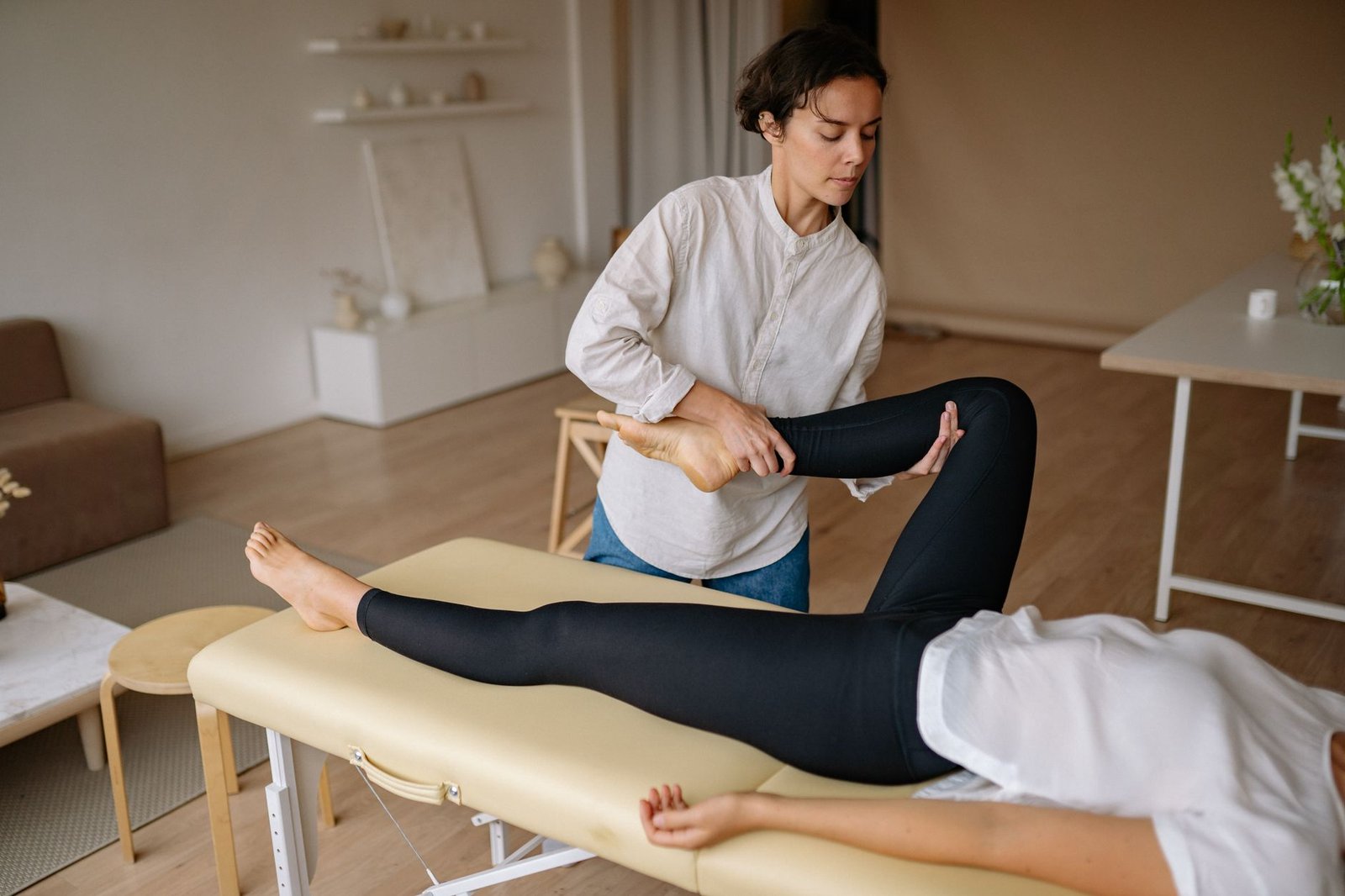
Sports massage is hands-on soft tissue work aimed at the muscles you load most. For a runner, that means calves, hamstrings, quads, glutes and the band of tissue along the outside of the thigh. A registered massage therapist uses firmer pressure, targeted stripping and sometimes stretching, depending on whether you are mid-training block or a week out from race day.
It differs from a relaxation massage in purpose. The goal is not just feeling loose on the table. It is finding the tight, tender spots that change how you move, then working out why they keep coming back.
What the evidence says about recovery
A 2020 systematic review and meta-analysis in BMJ Open Sport & Exercise Medicine pooled 29 randomized studies with 1,012 participants. The authors found no evidence that massage improves strength, jump, sprint, endurance or fatigue. They did find small but statistically significant improvements in flexibility and in delayed onset muscle soreness, the deep ache that peaks a day or two after a hard run or a hilly long run.
Small is the honest word. Massage will not make you faster on its own. What it may do is take the edge off the stiffness that makes the next training day feel like wading through wet cement.
A 2026 narrative review in the journal Muscles adds a useful caution. Its author notes that massage has not been reported as effective for recovery from exercise-induced muscle damage in humans, even though animal studies keep showing benefits. The suggested reason is inconsistency: studies use wildly different techniques, pressure, timing and durations, and nobody has yet defined the protocol that works. In other words, the question is open, not closed.
Where massage fits in a running plan
Think of it as one tool among several, not a substitute for sleep, easy days and a sensible weekly increase in mileage. Used well, it tends to help in a few practical ways.
Tight calves often travel with Achilles and shin complaints. Stiff hip flexors and glutes can shorten your stride. A therapist can spot a pattern, such as one calf that is clearly firmer than the other, and flag it before it becomes a sore tendon. That early warning is often worth more than the massage itself.
Timing matters too. A lighter session in the days after a race or a long run is usually better tolerated than deep work on fresh, sore muscle. Heavy pressure the day before a goal race can leave legs feeling flat, so most runners keep that appointment gentle or move it earlier in the week.
Which injuries it can and cannot help
Massage suits muscle tightness, trigger points and the general wear that comes with training. It is not a fix for a stress fracture, a torn tendon or sharp pain that gets worse every time your foot lands. Those need an assessment first. If a niggle has lasted more than a couple of weeks, or hurts at rest or at night, get it looked at before it gets expensive. Our sports injury care page explains how that process works at our clinic.
Many Newmarket runners combine massage with physiotherapy or chiropractic care, using the hands-on work to settle tissue while exercises address the weak link underneath. That pairing often does more than either one alone.
How to get the most from a session
Tell your therapist what you are training for and where the race sits on the calendar. Mention any area that flares during runs, not just where it hurts on the table. Drink water as you normally would, eat something light beforehand, and plan an easy day afterwards rather than intervals.
Frequency depends on your load. Someone running 30 kilometres a week may be fine with one session a month. Someone building toward a marathon, at 60 or more, may prefer every two to three weeks, with a lighter touch in the final fortnight.
Keep notes. If the same calf or hip keeps tightening up, that is information. It might point to shoes that are worn out, a recent jump in hills, or a strength gap that exercises can close.
Your next step
If your legs feel heavy, tight or one-sided and a race or a new training block is coming, book a session with one of our registered massage therapists and tell them exactly what you are training for. You can read more about massage therapy at Wellness Place and book online when you are ready.